The types of document binding pros and cons of each
When it comes to presenting a professional document, the right binding can make all the difference. Whether you’re preparing a business report, a thesis, or a portfolio, selecting the appropriate binding type is crucial. At the print shop, you’ll find various document binding options, each with its own set of pros and cons. Understanding these can help you make an informed decision.
Spiral Binding
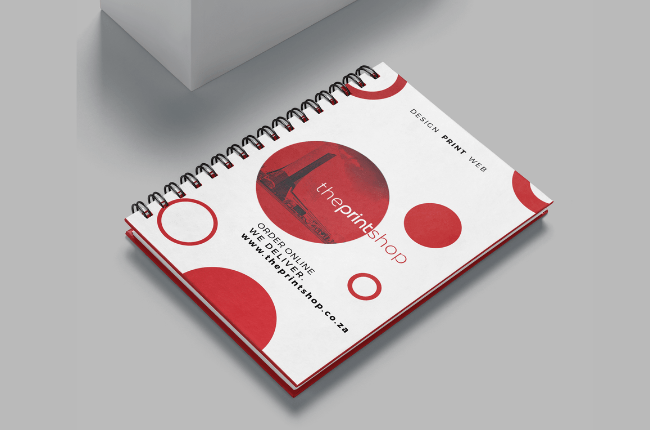
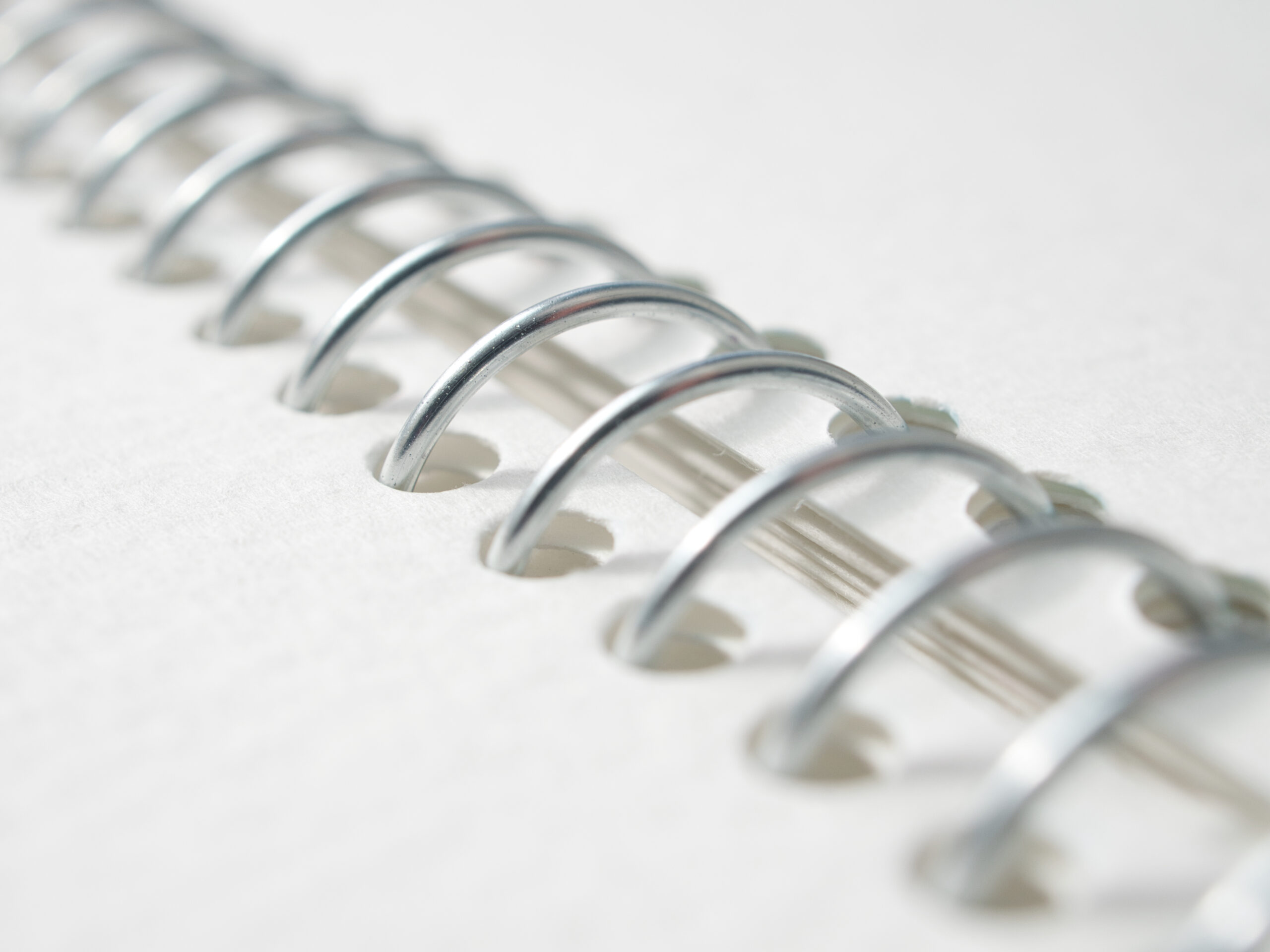
Spiral binding, also known as coil binding, is a popular choice for documents that require easy page-turning. It uses a durable plastic or metal coil that is inserted through holes punched along the document’s edge.
Pros
- Flexibility: Pages can rotate 360 degrees, making it easy to read and photocopy.
- Durability: The coil is resistant to bending and breaking.
Cons
- Limited Capacity: Best for documents with fewer pages.
- Permanent Binding: You can’t easily add or remove pages once bound.
Comb Binding- Document binding
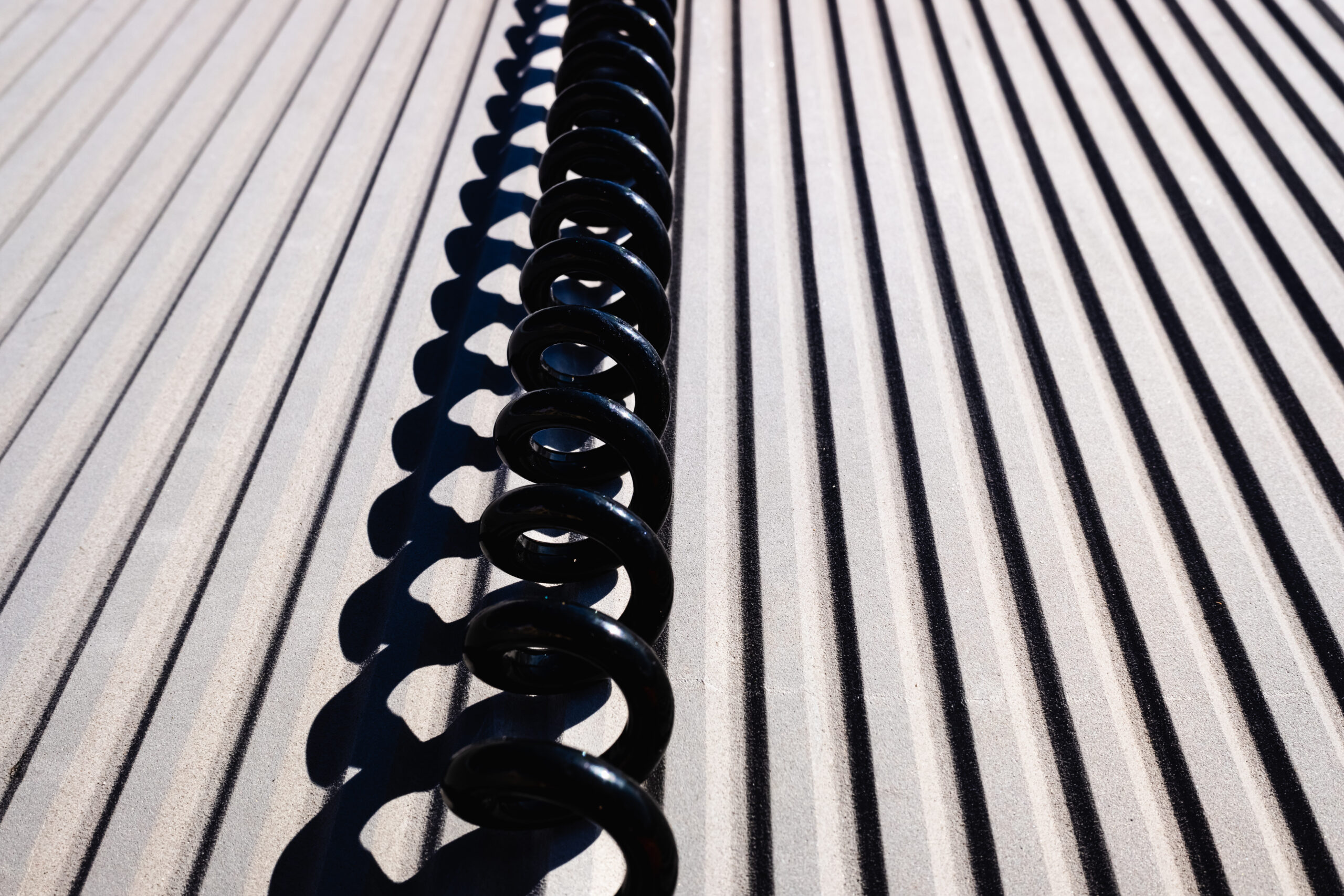
Comb binding uses a plastic spine with teeth that fit into rectangular holes punched along the document’s edge. It’s often used for manuals and business presentations.
Pros
- Cost-Effective: It’s one of the most affordable binding methods.
- Editable: Pages can be added or removed with ease.
Cons
- Less Durable: The plastic comb can break with frequent use.
- Bulkier Appearance: It can look less professional compared to other bindings.
Wire-O Binding – Document binding
Wire-O binding, similar to spiral binding, uses a metal wire to bind pages. It’s often used for professional presentations and reports.
Pros
- Professional Look: Offers a sleek, polished finish.
- Strong Binding: Pages are securely held in place.
Cons
- Higher Cost: More expensive than comb and spiral binding.
- Limited Capacity: Suitable for medium-sized documents.
Perfect Binding
You commonly see perfect binding in paperback books. It uses a strong adhesive to bind pages to a flat spine.
Pros
- Professional Appearance: Ideal for publications and high-end presentations.
- Large Capacity: Can accommodate thick documents.
Cons
- Not Lay-Flat: Pages can’t lie flat, making it harder to read.
- Permanent Binding: No easy way to add or remove pages.
Saddle Stitching
Saddle stitching involves folding sheets and stapling them along the fold line. It is ideal for booklets and magazines.
Pros
- Economical: Cost-effective for small documents.
- Quick Turnaround: Fast production time.
Cons
- Limited Page Count: Best for documents with fewer than 80 pages.
- Less Durable: Staples may rust or come undone over time.
Choosing the right binding for your document at the print shop involves weighing these pros and cons. Consider the document’s purpose, the number of pages, and your budget when making your decision. The right binding can enhance the professionalism and functionality of your document, ensuring it makes a lasting impression.
For more insights into document binding options, feel free to reach out to your local print shop for personalized advice.