Litho vs digital
In the bustling world of print shops, two major printing methods stand out: litho printing and digital printing. Understanding the differences between these two techniques is crucial for anyone looking to make informed decisions about their printing needs. Whether you’re a small business owner or a marketing manager, knowing when to choose litho or digital printing can save you time and money.

What is Litho Printing?
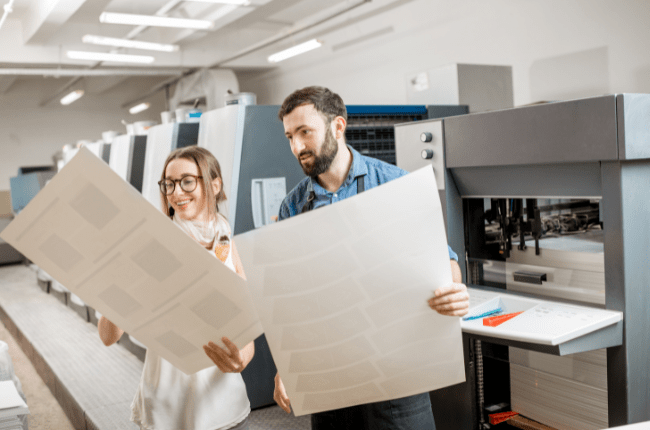
Litho printing, short for lithographic printing, is a traditional method that involves transferring ink from a plate to a rubber blanket, then onto the paper. This technique is often used for large print runs because it offers high-quality prints at a lower cost per unit when scaled. Litho printing is ideal for producing consistent, high-volume materials like brochures, catalogs, and magazines. Here, you see the essence of litho vs digital printing in terms of method and quality.
Advantages of Litho Printing
- Quality: Litho printing is known for its superior quality, with sharp images and vibrant colors.
- Cost-Effective for Large Runs: For high-volume printing projects, litho can be more economical.
- Material Flexibility: It works well on a variety of paper types and sizes.
Drawbacks of Litho Printing
- Setup Time: The initial setup can be time-consuming and costly.
- Not Ideal for Short Runs: Smaller print jobs can be less cost-effective due to setup expenses
What is Digital Printing?
Digital printing, on the other hand, involves printing digital-based images directly onto paper. This method bypasses the need for plates, making it a more straightforward and faster process. Digital printing is perfect for small to medium print runs, especially when quick turnaround times are necessary. In the comparison of litho vs digital printing, digital stands out for its speed and efficiency.
Advantages of Digital Printing
- Speed: Digital printing offers faster turnaround times, making it suitable for urgent projects.
- Cost-Effective for Small Runs: Lower setup costs make it ideal for smaller batches.
- Customization: It allows for easy personalization, such as variable data printing.
Drawbacks of Digital Printing
- Quality Variations: While improving, digital print quality may not always match litho.
- Higher Cost per Unit for Large Runs: As the volume increases, digital printing can become more expensive.
Litho vs Digital: Which to Choose?
The decision between litho and digital printing depends largely on the specifics of your project. If you need high-volume, high-quality prints and have the time for a longer setup, litho printing might be your best bet. However, if you need a quick turnaround and are working with a smaller quantity, digital printing could be the more efficient and cost-effective choice. This is where the comparison of litho vs digital printing truly matters.
In conclusion, both litho and digital printing have their unique advantages and drawbacks. By understanding these, you can choose the method that best suits your needs, ensuring your print projects are completed to your satisfaction. The debate of litho vs digital printing ultimately depends on your specific needs and project requirements.
Feel free to reach out with any questions or for further guidance on selecting the best printing option for your next project.