What is die cutting?
Die cutting is a versatile and precise process used extensively in the printing and manufacturing industries. It involves cutting a material into specific shapes using a die, a specialized tool designed for this purpose. Understanding die cutting is essential for anyone working in or with print shops, as it is a critical component of creating custom designs and products.
The Basics of Die Cutting
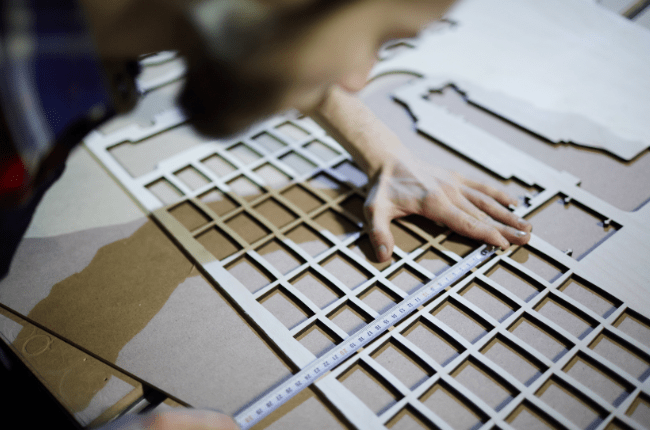
A method that allows for the creation of intricate shapes and designs with high precision. The process begins with the creation of a die, which is a template made of metal, usually steel, that has been shaped according to the design specifications. This die is then used to cut through materials like paper, cardboard, fabric, or even thin metal sheets.
Similar process to using a cookie cutter. The die is pressed into the material, cutting out the desired shape. This process is particularly useful for mass production, as it ensures consistency and accuracy across large quantities of items.
Types of Die Cutting Machines
There are several types of machines, each with its own unique features and benefits. These machines range from manual models, which require human operation, to advanced digital machines that offer increased automation and precision.
Manual Die Cutting Machines
Hobbyists and small businesses typically use manual machines for small-scale projects.These machines operate by turning a crank or lever to apply pressure, cutting the material with the die. They are affordable and easy to use, making them accessible for those that are new.
Digital Die Cutting Machines
On the other end of the spectrum are digital machines. These machines use computer software to control the cutting process, allowing for intricate designs and patterns to be cut automatically. They are capable of handling larger volumes and more complex designs than manual machines, making them suitable for professional print shops and large-scale manufacturing operations.
Applications of Die Cutting
Used in a wide range of industries due to its versatility. Print shops commonly use to create custom packaging, business cards, labels, and promotional materials.The ability to cut precise shapes and designs makes it invaluable for creating unique, eye-catching products that stand out in the market.
It isn’t just for paper. Fashion uses it for fabrics, automotive uses it for gaskets and seals, and electronics uses it for complex components.
Conclusion
In conclusion, is a fundamental process in manufacturing and printing, offering precision, efficiency, and creativity. Whether using manual or digital machines, understanding can greatly enhance the quality and uniqueness of your products. As technology advances, continues to evolve, providing even more opportunities for innovation and customization in various industries.